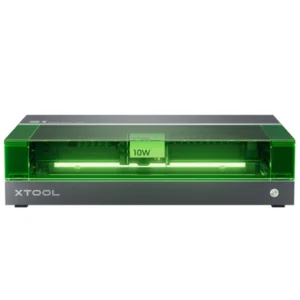
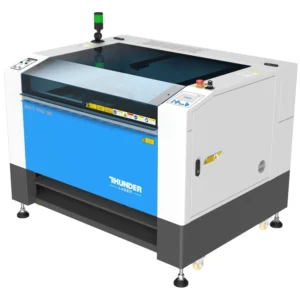
xTool M1 Ultra Deluxe Bundle
R47,000.00 Inc Vat
A versatile 4-in-1 crafting machine combining laser cutting, engraving, blade cutting and printing capabilities. Ideal for arts and craft, creating personalised gifts, custom laser cut items with a printed image, home décor and creative products for hobbyists.
Best for
- Arts and Crafts
- Creative Hobbyist
Product features
- 4-in-1 Creative Machine
- xTool Creative Space
- Laser Type: Diode
- Laser Power: 20W
- Working Area: 300 × 300 mm
- Max Engraving Speed: 400mm/s
- Max MDF Cutting: 4mm
- Max Acrylic Cutting: 5mm
Finance from R2,004 /month
24 months R10,000 down payment