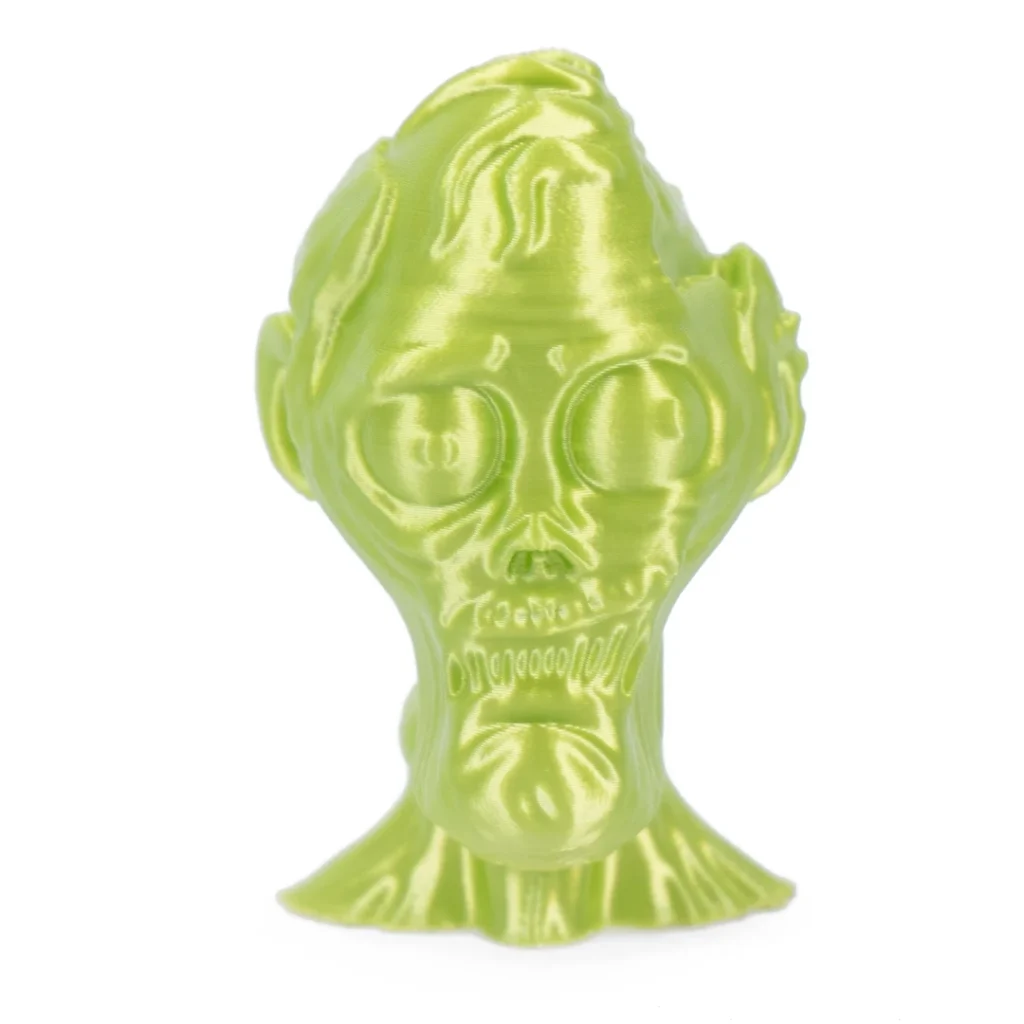
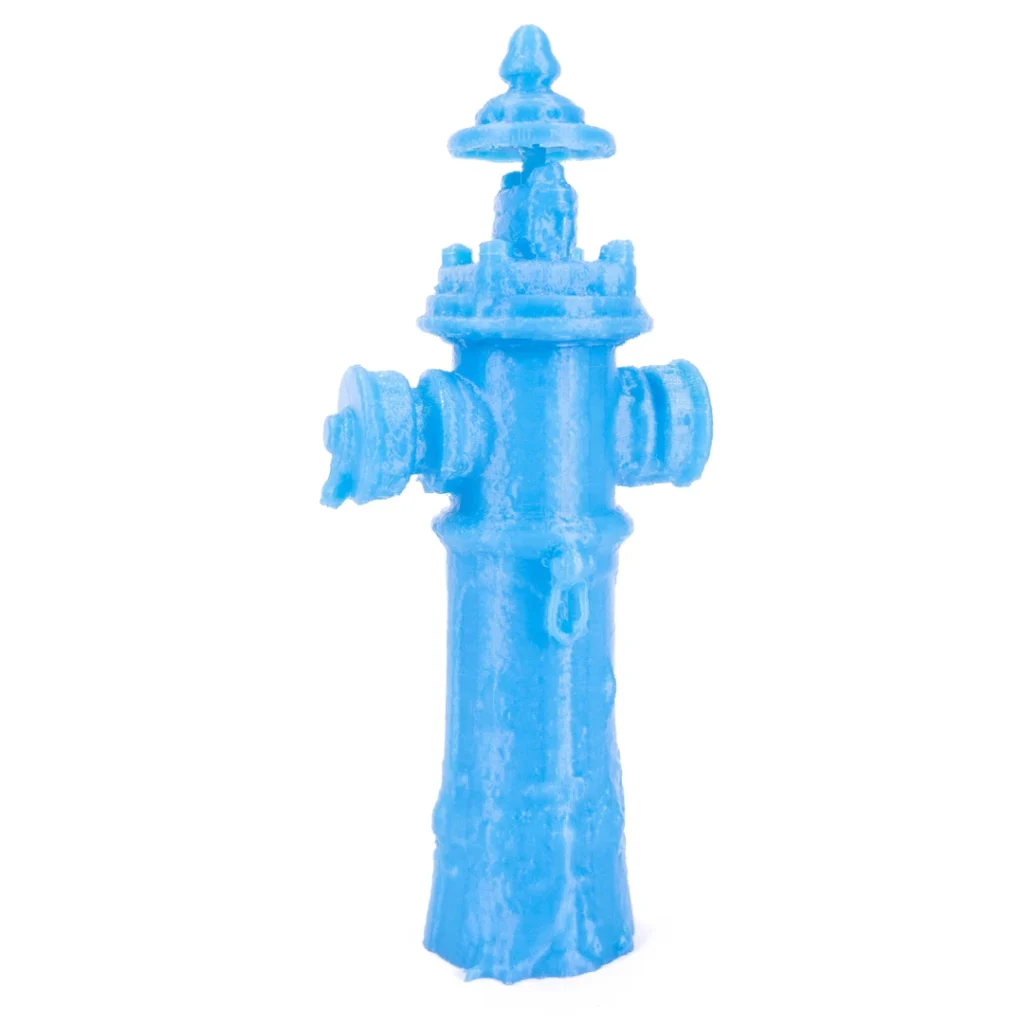
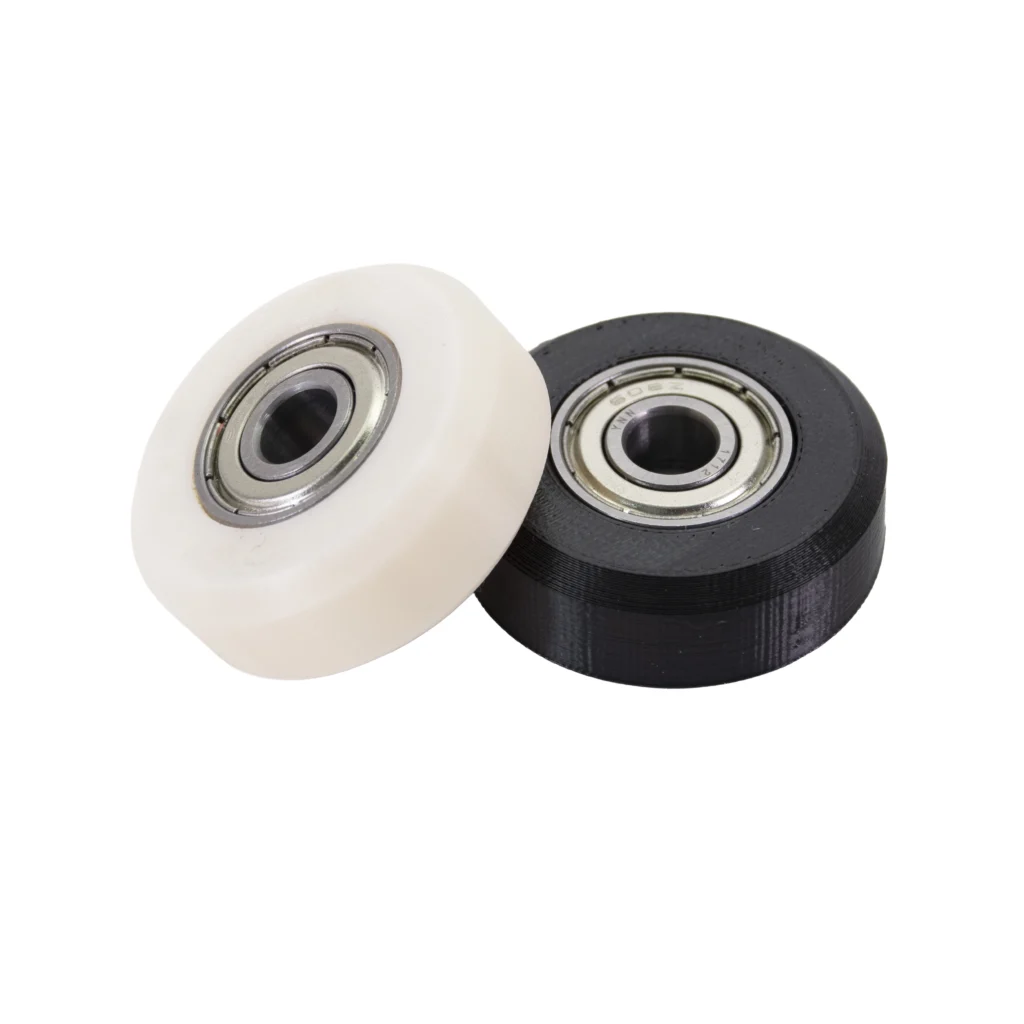
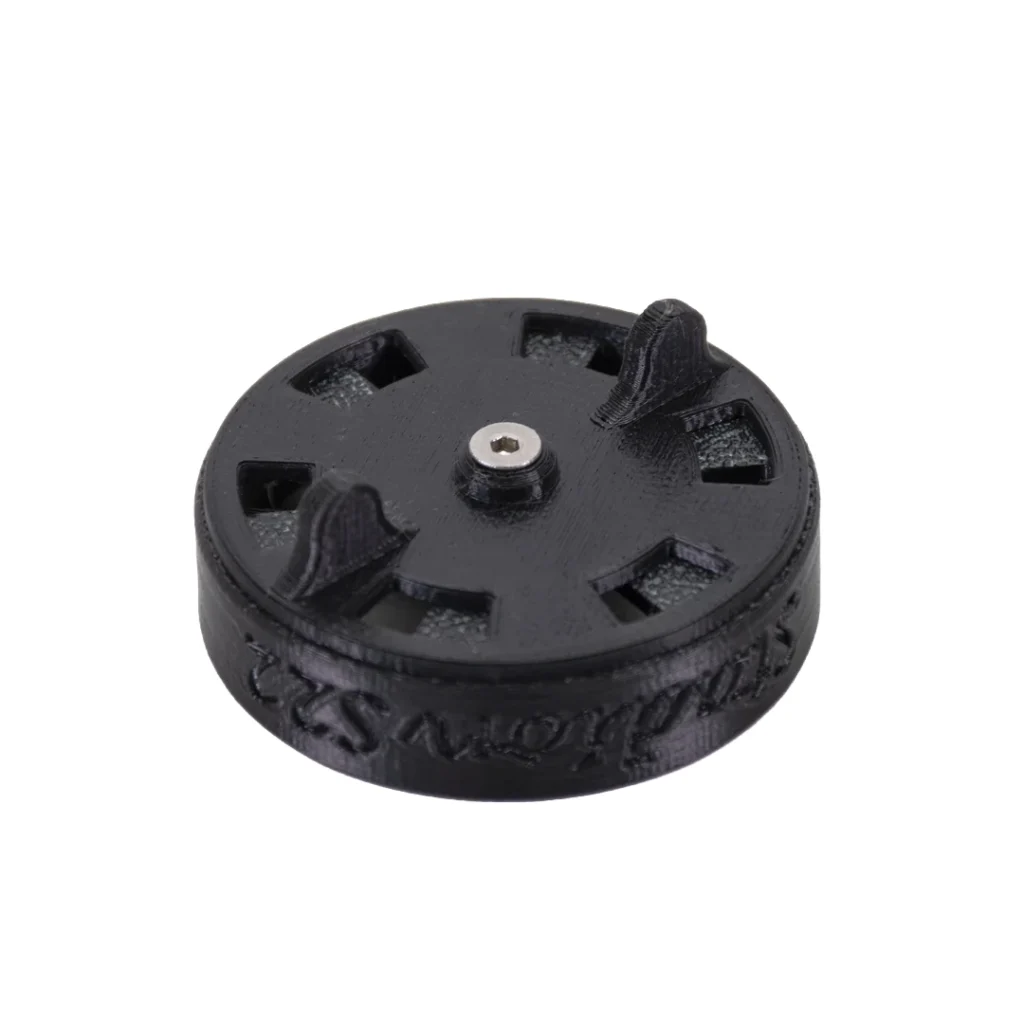
FDM/FFF and resin printing are two widely used 3D-printing categories. More specialised technologies, including SLS and metal additive manufacturing, serve specific industrial applications. The right choice depends on the part, material, required detail, size and intended use.
Quick answer: FDM/FFF printers melt and deposit thermoplastic filament layer by layer. Resin printers use light to cure liquid photopolymer resin and are particularly useful for fine detail. Technologies such as SLS and metal printing serve more specialised manufacturing applications.
FDM / FFF 3D Printers
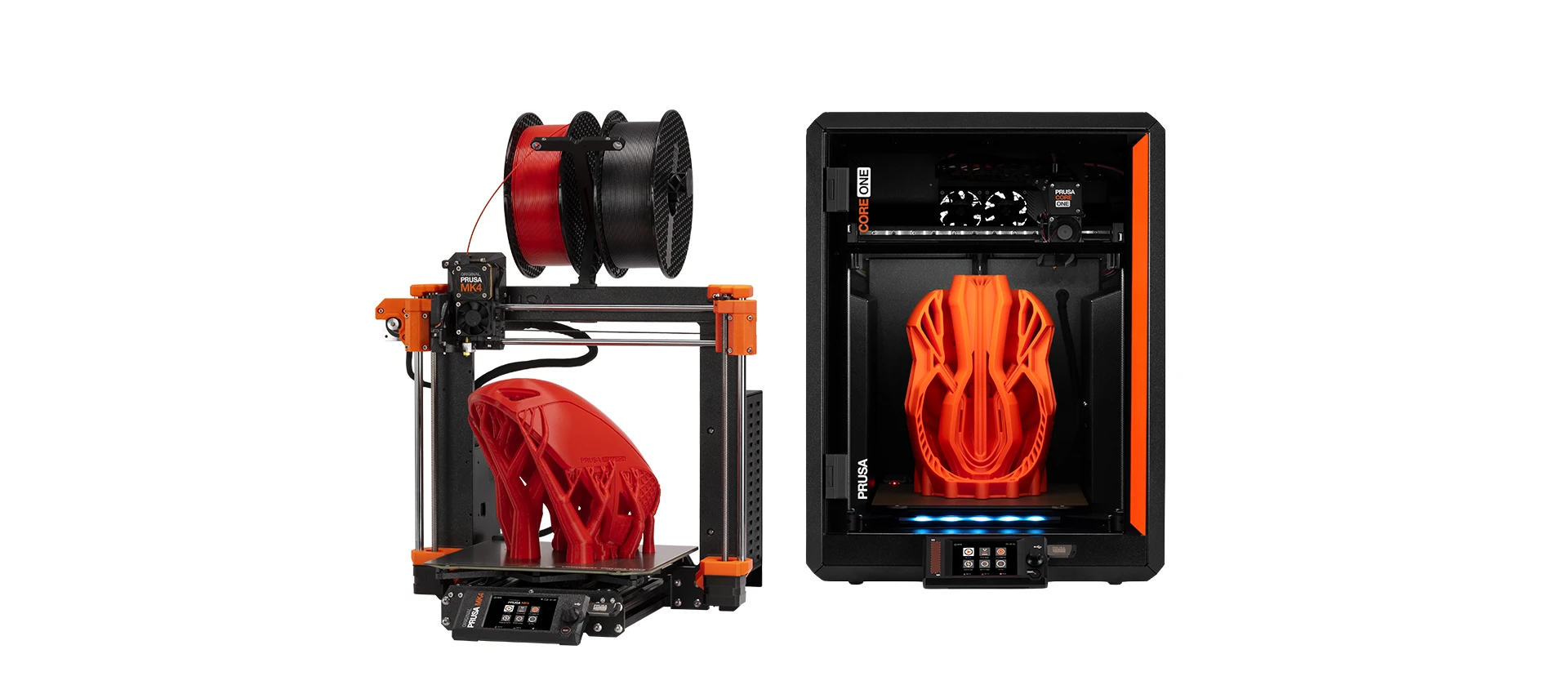
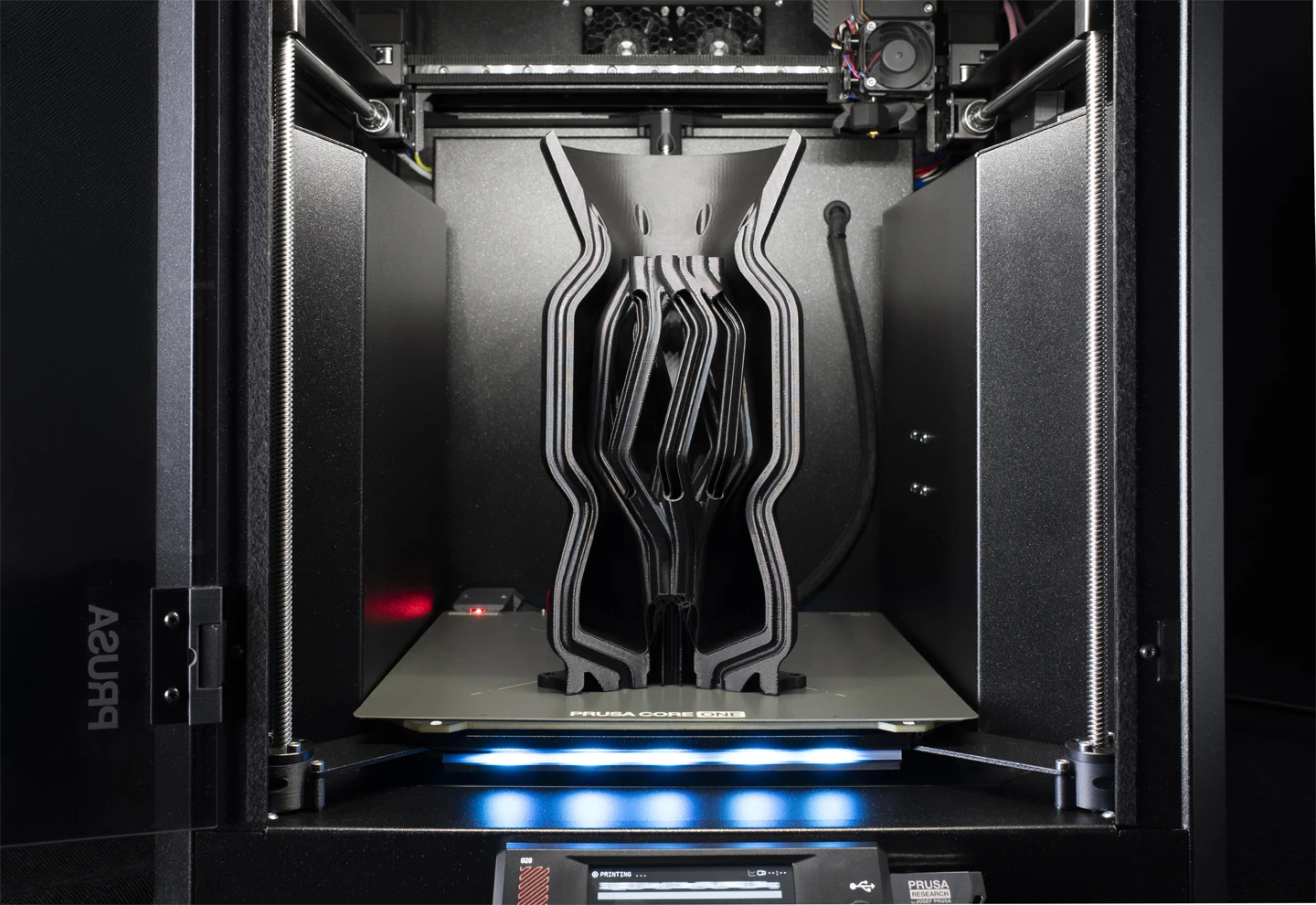
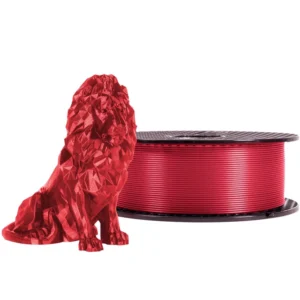
Fused Deposition Modelling (FDM), also called Fused Filament Fabrication (FFF), uses thermoplastic filament. A filament spool feeds material into the hotend, where it is heated and extruded through a nozzle. The printer deposits softened material in controlled paths until the complete part is formed.
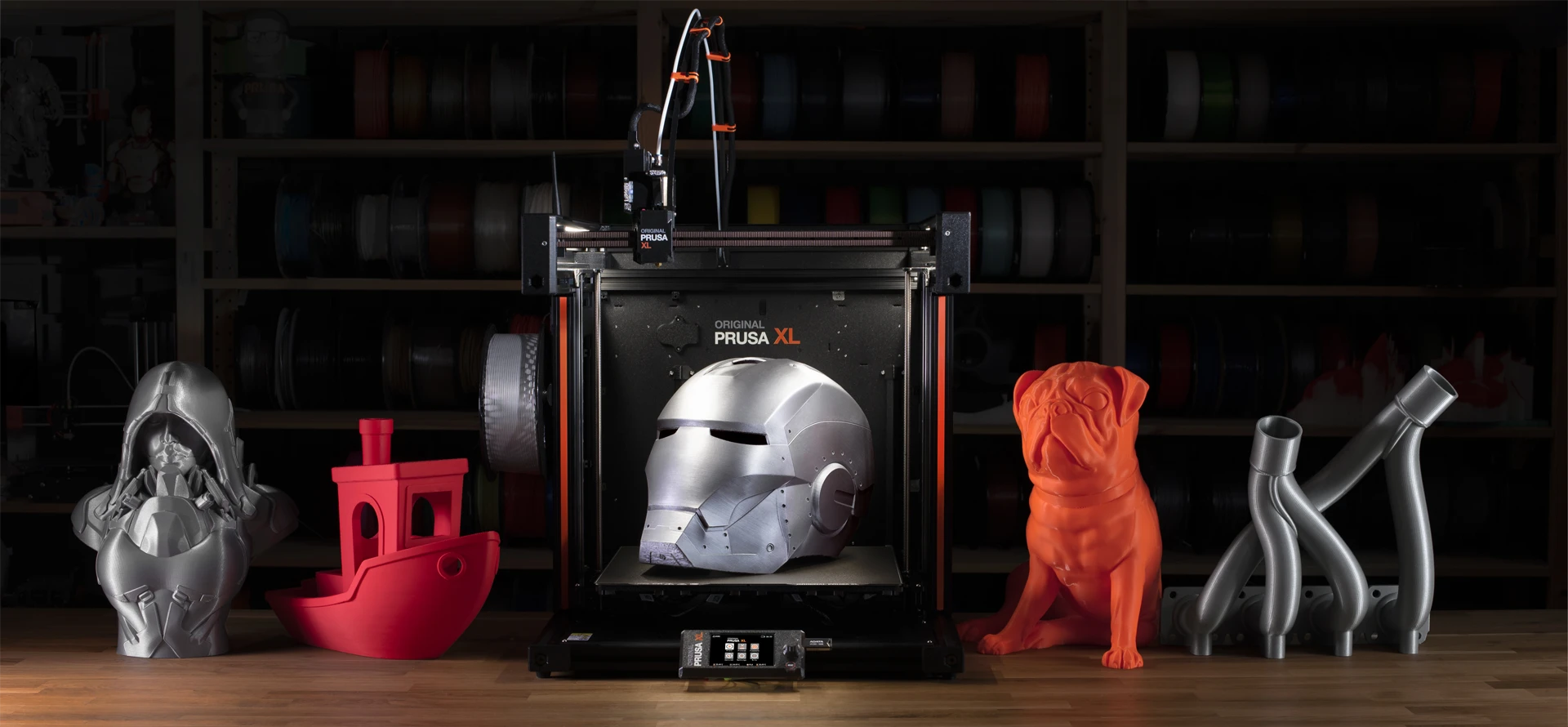
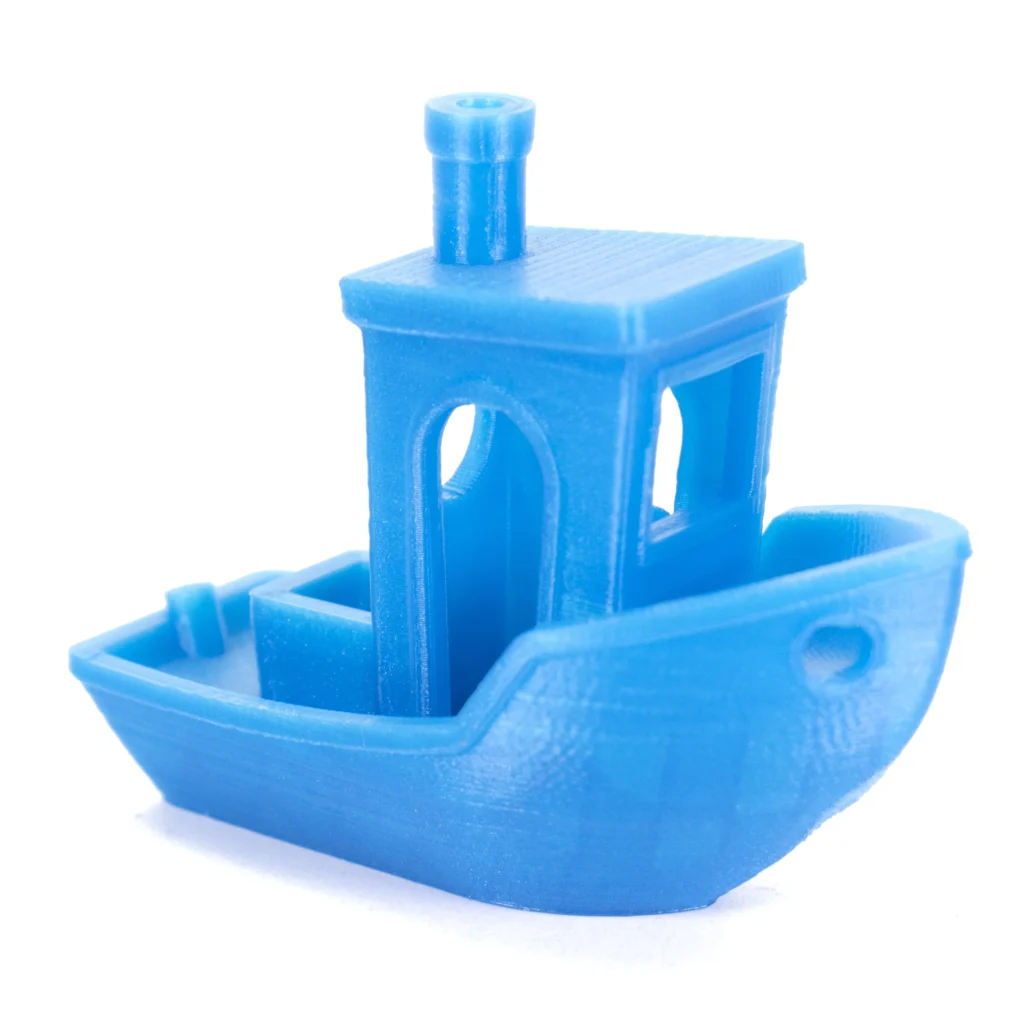
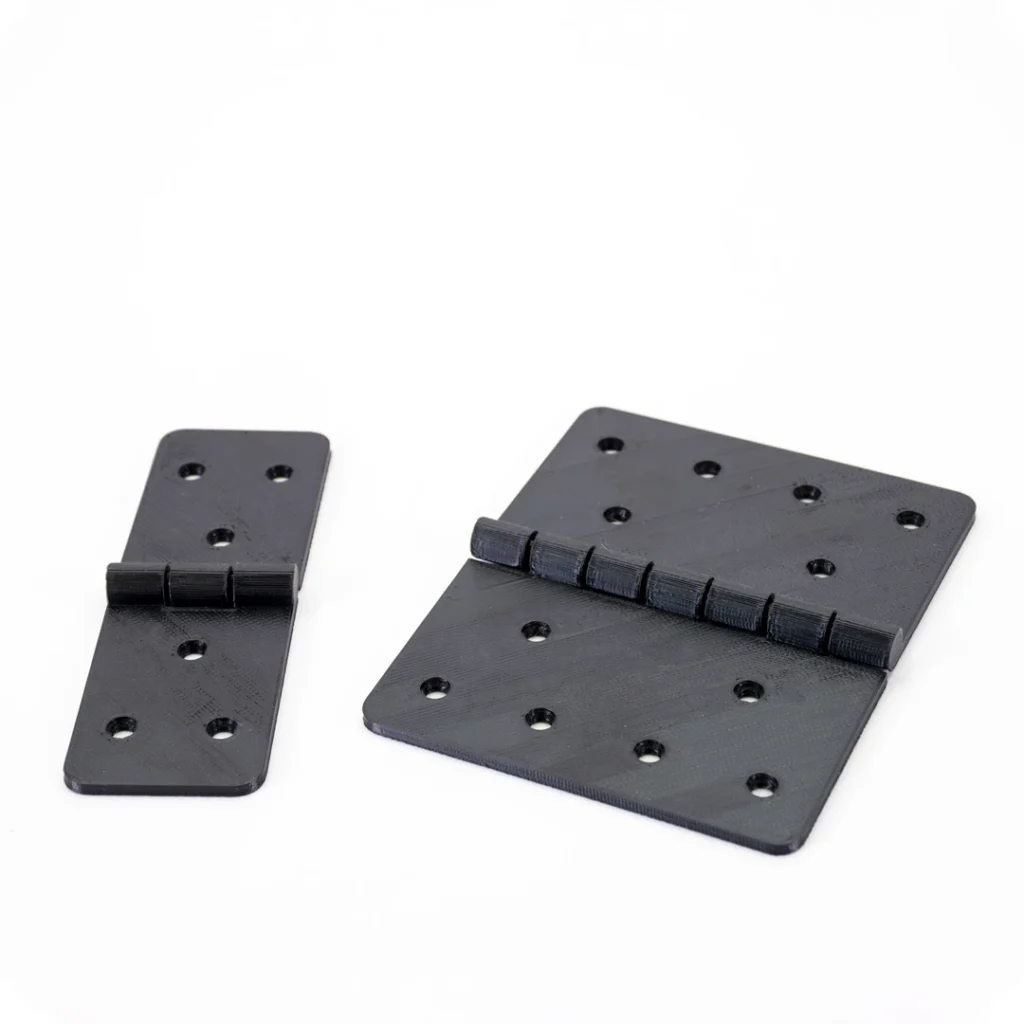
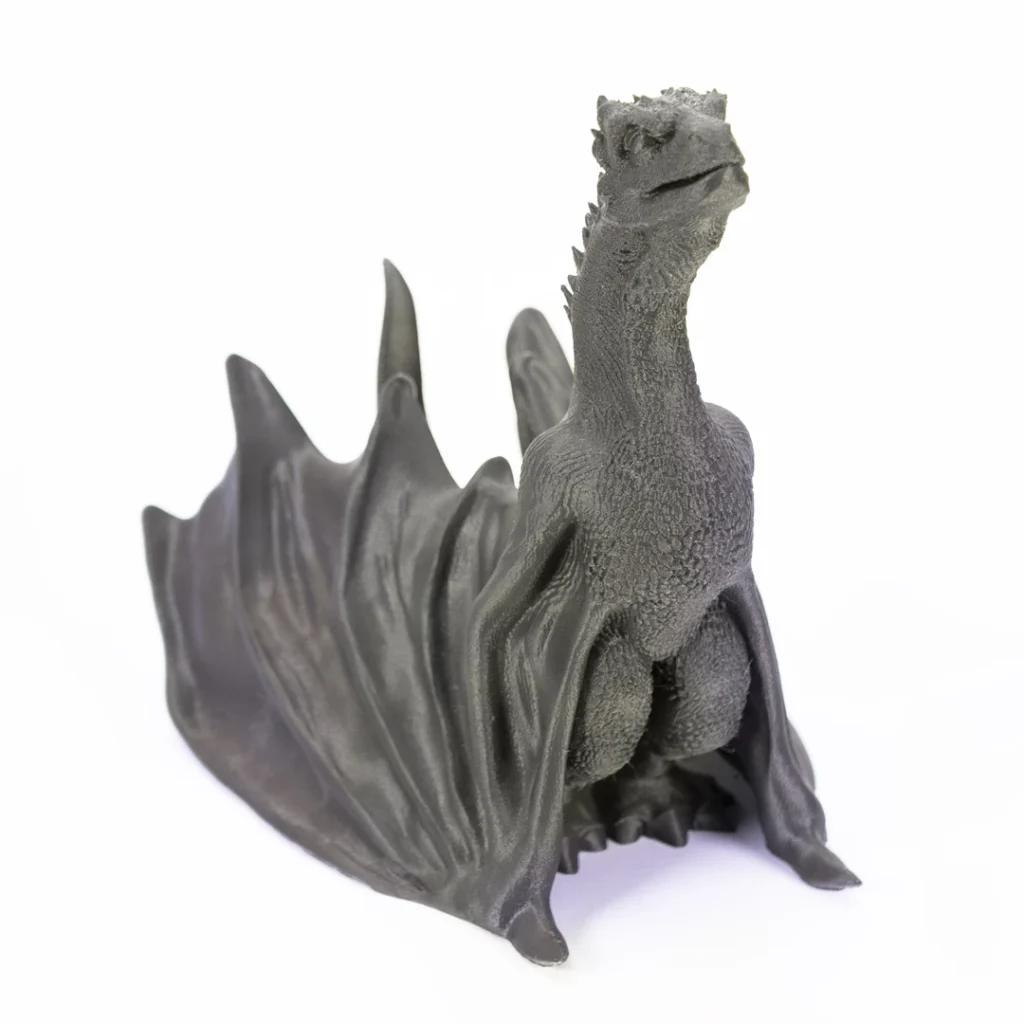
FDM/FFF is used for rapid prototypes, functional components, replacement parts, jigs, fixtures, workshop tools, housings, brackets, models, education, customised products and low-volume production. Compatible material options vary by printer and setup, and can include PLA, PETG, TPU, ASA, polycarbonate-based materials and fibre-reinforced composites.
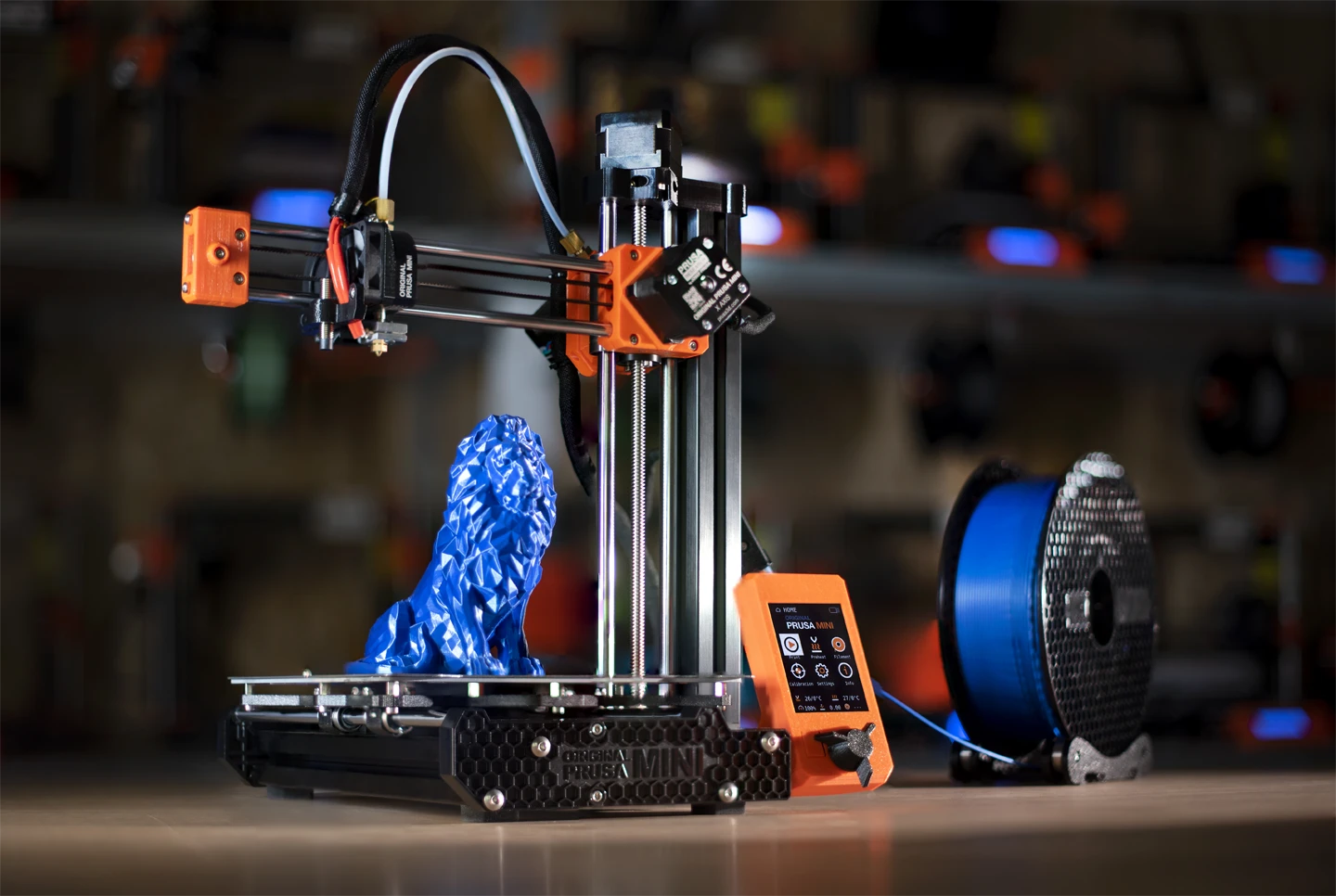
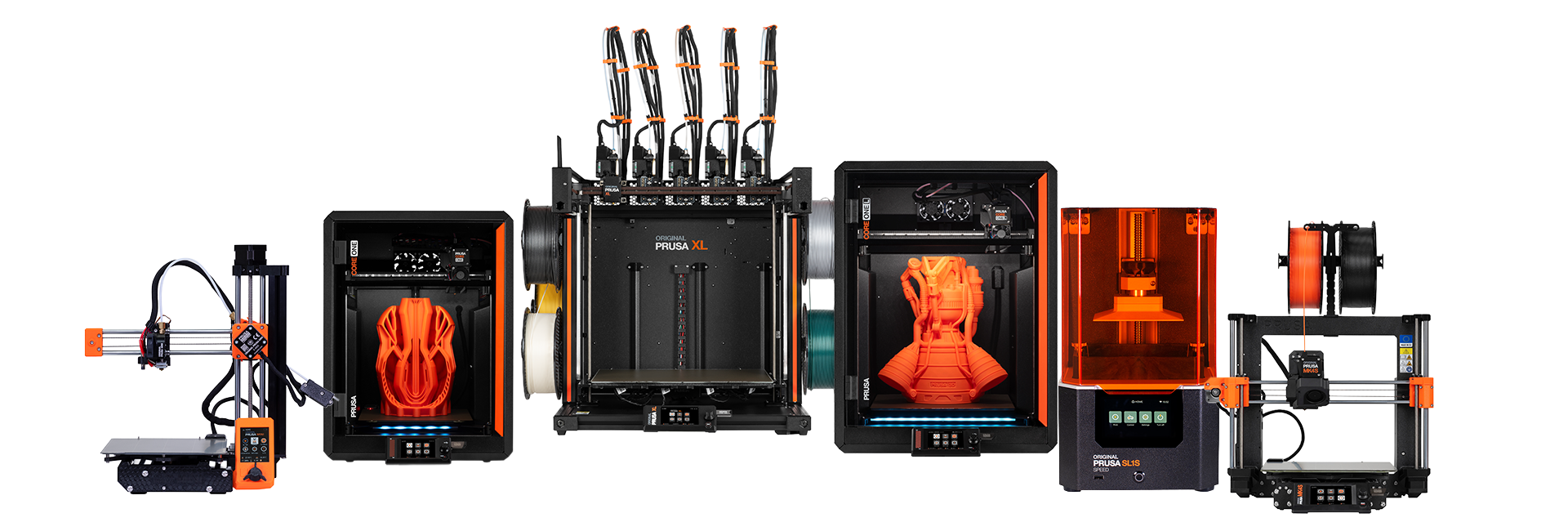
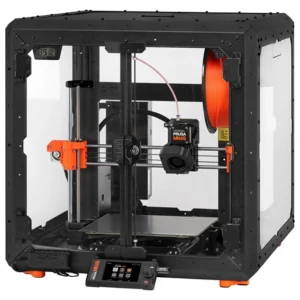
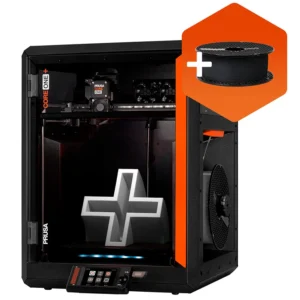
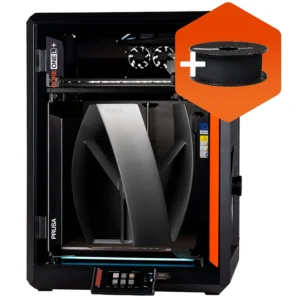
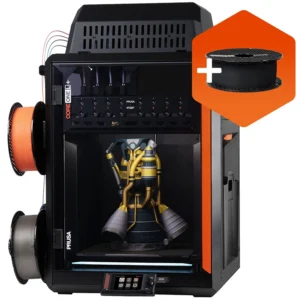
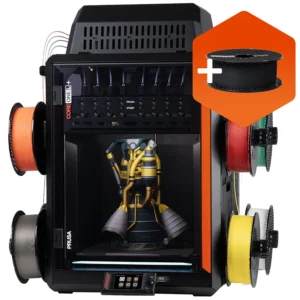
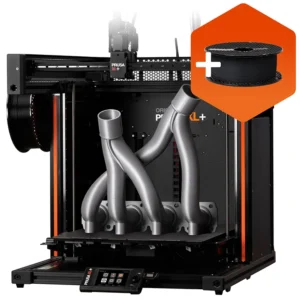
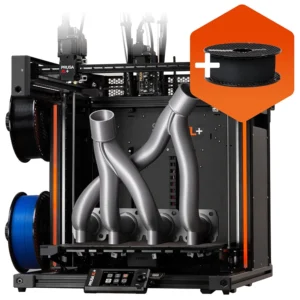
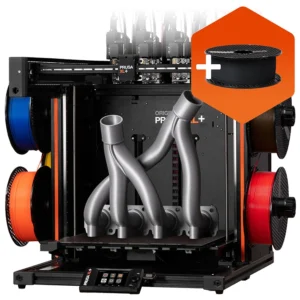
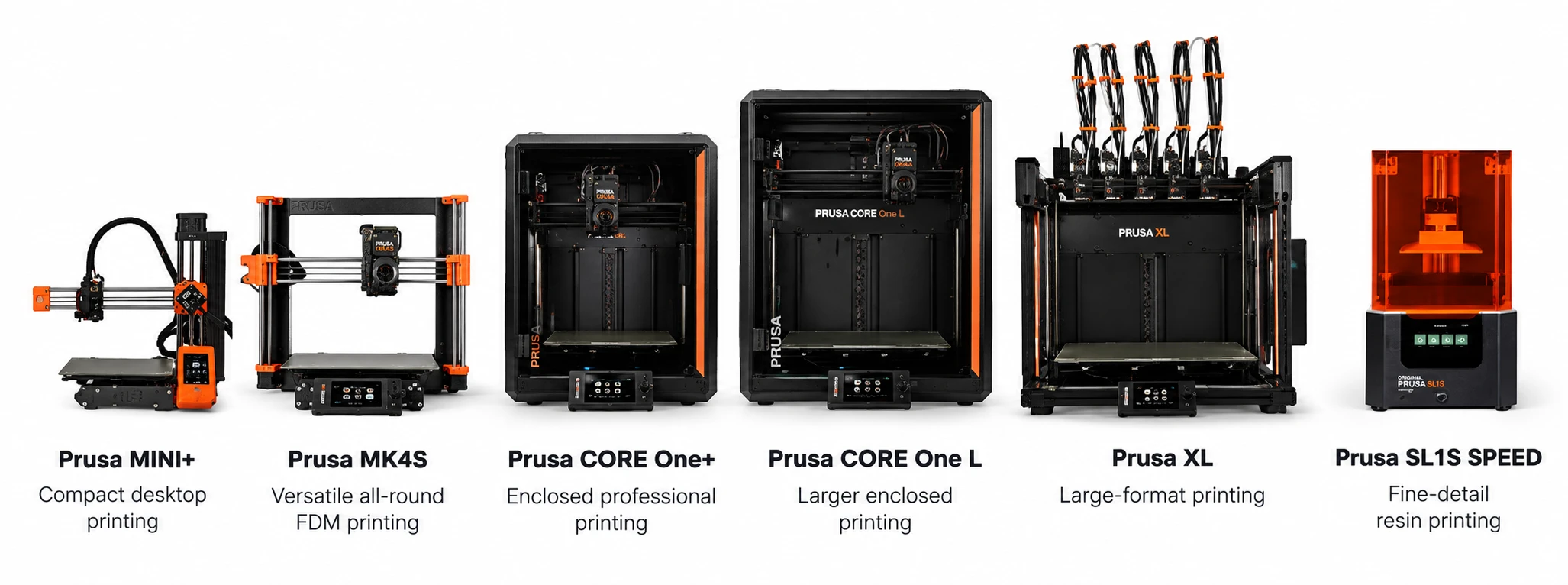
Most Prusa machines in the MaxLaser range use FDM/FFF technology: Original Prusa MINI+, Original Prusa MK4S, Prusa CORE One+ (Gen 2), Prusa CORE One L+ and Prusa XL+.
Resin 3D Printers
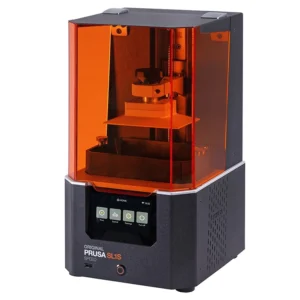
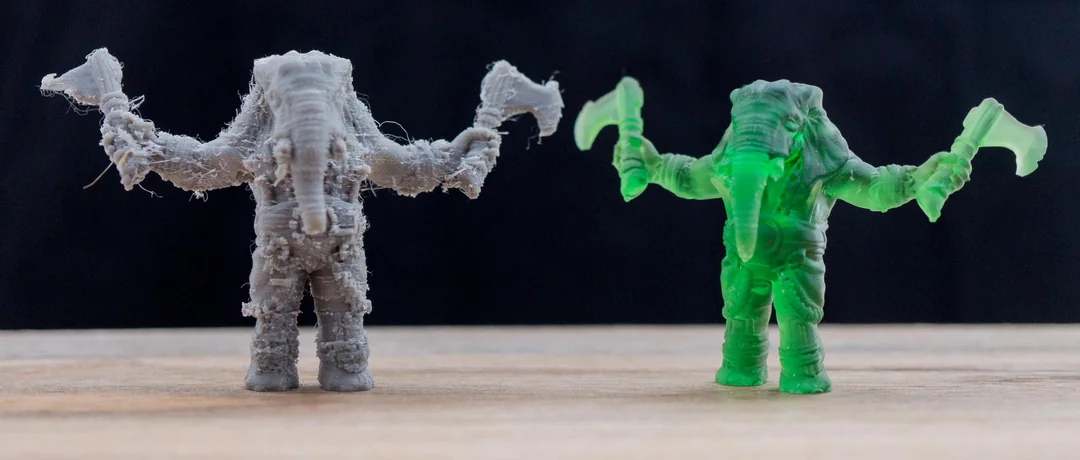
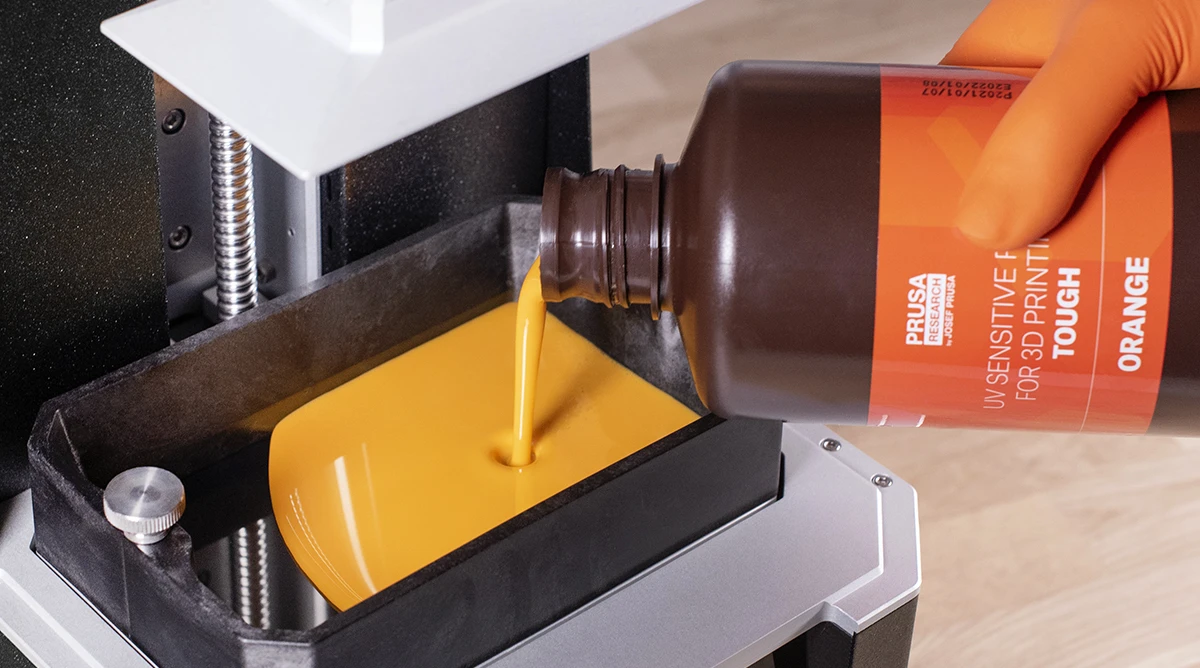
Resin printers create objects from liquid photopolymer resin that hardens when exposed to light. Rather than depositing melted filament, the printer cures thin resin layers to form the part. Resin printing is particularly useful when fine detail, small features and smooth surface quality matter.
Typical applications include detailed prototypes, miniatures, visual models, fine-detail components and specialised functional parts where an appropriate engineering resin is available. The Original Prusa SL1S SPEED represents resin technology in the MaxLaser range. Resin prints require washing and final curing; always follow the resin manufacturer’s handling and safety instructions.
View Original Prusa SL1S SPEED
Other 3D Printing Technologies
Selective Laser Sintering (SLS) uses a laser to fuse powdered material, commonly nylon, layer by layer. Surrounding powder supports complex geometry, making SLS useful for functional prototypes, complex components and low-volume manufacturing.
Metal additive manufacturing uses metal powders and processes such as selective laser melting or related powder-bed fusion. It is used for specialised engineering components, tooling, aerospace, medical and industrial applications. MaxLaser will only link to a metal offering when that technology is commercially active.
Other specialised processes include binder jetting and material jetting. They are selected for specific materials and production requirements rather than as a general substitute for FDM/FFF or resin printing.